



Invest
Australian Made Week highlights the importance of local manufacturing in economic resilience
Invest
Australian Made Week highlights the importance of local manufacturing in economic resilience
The spotlight is on Australia's manufacturing sector during Australian Made Week, held from May 18 to 24, as business and government leaders emphasise the need to bolster local capabilities, fortify supply chains, and invest in skills to build a more resilient economy. This initiative comes at a crucial time when the nation is grappling with the challenges of global supply chain dependencies and the need for economic self-sufficiency.
Australian Made Week highlights the importance of local manufacturing in economic resilience

The spotlight is on Australia's manufacturing sector during Australian Made Week, held from May 18 to 24, as business and government leaders emphasise the need to bolster local capabilities, fortify supply chains, and invest in skills to build a more resilient economy. This initiative comes at a crucial time when the nation is grappling with the challenges of global supply chain dependencies and the need for economic self-sufficiency.

James Beeson, the chief executive of Earlypay, is among those advocating for a renewed focus on domestic production. He argues that purchasing Australian-made products should be seen as a vital component of a broader economic strategy aimed at enhancing productive capacity and reducing reliance on foreign supply chains. "Over recent decades, Australia has become heavily reliant on overseas supply chains for many critical goods," Beeson remarked. "In the short term, those dependencies are difficult to unwind, but the lesson is clear. If we do not continue building domestic manufacturing capability, we leave ourselves exposed when global supply chains come under pressure."
Beeson further emphasised that Australian Made Week serves as a timely reminder that manufacturing is not merely about national pride but is intrinsically linked to jobs, investment, and economic security. "There may be a cost to buying Australian-made in some categories, but that spending supports local businesses, local jobs, and investment in a productive capacity," he explained. "If we are serious about strengthening Australian manufacturing, businesses need the confidence and working capital to invest in equipment, people, and production capacity."
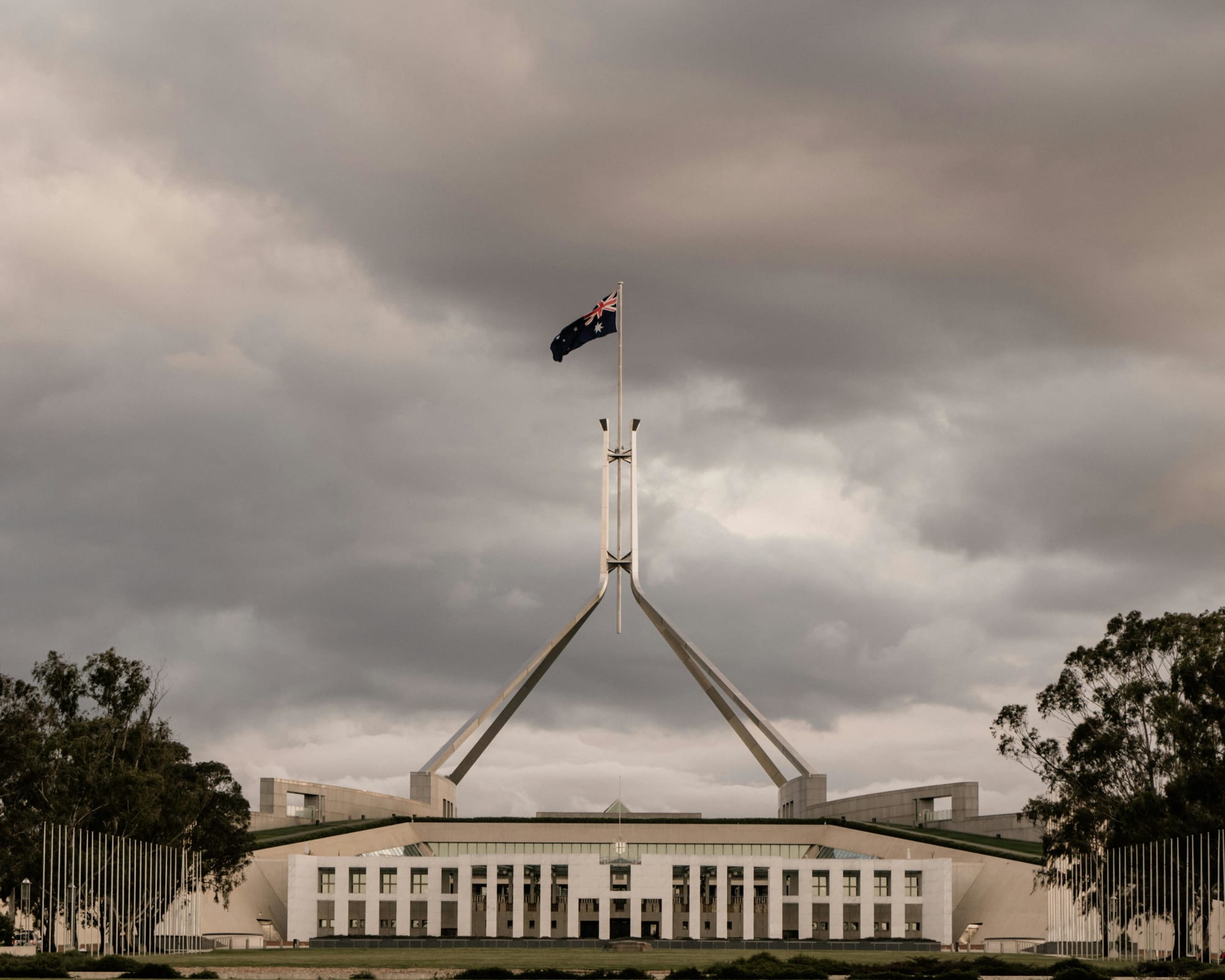
The call for action coincides with recent announcements from the Federal Budget, which includes measures designed to alleviate business pressures. Among these are productivity reforms aimed at reducing regulatory burdens by $10.2 billion annually. Additionally, the Budget offers cash-flow support, allowing eligible companies that incur losses from 2026-27 to claim refunds against taxes paid in the previous two income years—a move expected to benefit up to 85,000 companies, primarily small businesses.
Despite welcoming these measures, Beeson insists that Australia requires a more comprehensive plan to support productive investment in industries where the country can excel. "The Budget measures are useful, particularly anything that improves cash flow or gives small businesses more certainty around investment," he acknowledged. "But we also need to think seriously about where Australia can excel. Agriculture, energy, and defence are all areas where local capability matters and where stronger manufacturing capacity can support long-term economic resilience."
A crucial aspect of this shift, Beeson notes, is the need for robust vocational education pathways to equip workers with the skills necessary for modern manufacturing. "We cannot just say we want to make more things in Australia if we do not also have the people and skills to do it," he stated. "University is not the only pathway. We need stronger vocational education pathways that prepare people for higher-skilled jobs in modern manufacturing, automation, and production."
Echoing these sentiments, Ben Lazzaro, chief executive of the Australian Made Campaign, underscores the broader impact of supporting local products. "When consumers choose Australian Made, they’re actively supporting local economies, strengthening communities, and helping Australian businesses thrive," Lazzaro said. "Supporting local has never been more important. Australian Made Week is about calling on shoppers and businesses to back the home team and look for the Australian Made logo because Australian Made makes Australia."
Research highlighted by the Australian Made Campaign suggests that if Australians spent an additional $20 weekly on locally made products, it could inject $11 billion into the economy and create 20,000 jobs. Lazzaro points out that the Australian Made logo remains a potent commercial tool, with Roy Morgan Research indicating that 99 per cent of Australians aged 18 and over are aware of it.
In summary, the collective push from industry leaders during Australian Made Week underscores a critical message: backing Australian manufacturers not only supports local jobs and strengthens business confidence but also lays the foundation for further investment and growth across the economy.
RELATED ARTICLES

Economy
Inflation dip welcomed, but employers remain cautious, says JobAdder CEO
As the Australian Bureau of Statistics (ABS) released its latest Consumer Price Index (CPI) figures today, revealing a dip in inflation, industry leaders are cautiously optimistic. However, this ...Read more

Economy
Inflation eases slightly as fuel prices drop, but other pressures remain
Australia's inflation landscape experienced a slight reprieve in April, according to the latest Consumer Price Index (CPI) data released today. The figures reveal that annual inflation has edged down ...Read more

Economy
April inflation report shows mixed signals for Australia's economic outlook
Australia's latest Consumer Price Index (CPI) data has sparked a flurry of analysis from economic experts, revealing a complex picture of the nation's inflationary landscape. State Street, a global ...Read more

Economy
Unemployment rises as job creation declines, says JobAdder CEO
In a revealing analysis of the current job market, Martin Herbst, CEO of JobAdder, has provided insights following the release of the latest Labour Force Data from the Australian Bureau of Statistics ...Read more

Economy
Labour force data reveals unexpected unemployment rise, says State Street economist
In a surprising turn of events, the latest Labour Force data has revealed a significant rise in unemployment, exceeding expectations and signalling a potential shift in the labour market narrativeRead more
Economy
Federal Budget introduces sweeping changes to tax, investment, and health care sectors
In the wake of the Federal Budget announcement last night, significant reforms are set to reshape the financial landscape for Australians, touching on everything from tax deductions to superannuation ...Read more

Economy
Hot US inflation leaves Fed’s new chair Warsh cornered on rates: deVere CEO
In a climate of escalating inflation and geopolitical tensions, the newly appointed Chair of the Federal Reserve, Kevin Warsh, finds himself in a precarious position regarding interest rate ...Read more
Economy
Federal budget pivots towards long-term growth amid global challenges
In a decisive move to bolster Australia's economic resilience, the latest Federal Budget has been described as "decade-defining" by Krishna Bhimavarapu, APAC Economist at State Street Investment ...Read more
Economy
Inflation dip welcomed, but employers remain cautious, says JobAdder CEO
As the Australian Bureau of Statistics (ABS) released its latest Consumer Price Index (CPI) figures today, revealing a dip in inflation, industry leaders are cautiously optimistic. However, this ...Read more
Economy
Inflation eases slightly as fuel prices drop, but other pressures remain
Australia's inflation landscape experienced a slight reprieve in April, according to the latest Consumer Price Index (CPI) data released today. The figures reveal that annual inflation has edged down ...Read more
Economy
April inflation report shows mixed signals for Australia's economic outlook
Australia's latest Consumer Price Index (CPI) data has sparked a flurry of analysis from economic experts, revealing a complex picture of the nation's inflationary landscape. State Street, a global ...Read more
Economy
Unemployment rises as job creation declines, says JobAdder CEO
In a revealing analysis of the current job market, Martin Herbst, CEO of JobAdder, has provided insights following the release of the latest Labour Force Data from the Australian Bureau of Statistics ...Read more
Economy
Labour force data reveals unexpected unemployment rise, says State Street economist
In a surprising turn of events, the latest Labour Force data has revealed a significant rise in unemployment, exceeding expectations and signalling a potential shift in the labour market narrativeRead more
Economy
Federal Budget introduces sweeping changes to tax, investment, and health care sectors
In the wake of the Federal Budget announcement last night, significant reforms are set to reshape the financial landscape for Australians, touching on everything from tax deductions to superannuation ...Read more
Economy
Hot US inflation leaves Fed’s new chair Warsh cornered on rates: deVere CEO
In a climate of escalating inflation and geopolitical tensions, the newly appointed Chair of the Federal Reserve, Kevin Warsh, finds himself in a precarious position regarding interest rate ...Read more
Economy
Federal budget pivots towards long-term growth amid global challenges
In a decisive move to bolster Australia's economic resilience, the latest Federal Budget has been described as "decade-defining" by Krishna Bhimavarapu, APAC Economist at State Street Investment ...Read more


