



Borrow
Commonwealth Bank leads consideration while People First Bank tops satisfaction in YouGov’s latest rankings
Borrow
Commonwealth Bank leads consideration while People First Bank tops satisfaction in YouGov’s latest rankings
In a revealing snapshot of Australia's banking landscape, the Commonwealth Bank (CBA) has emerged as the most considered financial institution among prospective customers, according to YouGov's Australia Consumer Bank Rankings 2025. The rankings, which delve into both customer satisfaction and the likelihood of choosing a particular bank for future financial services, highlight the enduring trust in traditional banks while also showcasing the growing influence of digital-first challengers.
Commonwealth Bank leads consideration while People First Bank tops satisfaction in YouGov’s latest rankings

In a revealing snapshot of Australia's banking landscape, the Commonwealth Bank (CBA) has emerged as the most considered financial institution among prospective customers, according to YouGov's Australia Consumer Bank Rankings 2025. The rankings, which delve into both customer satisfaction and the likelihood of choosing a particular bank for future financial services, highlight the enduring trust in traditional banks while also showcasing the growing influence of digital-first challengers.
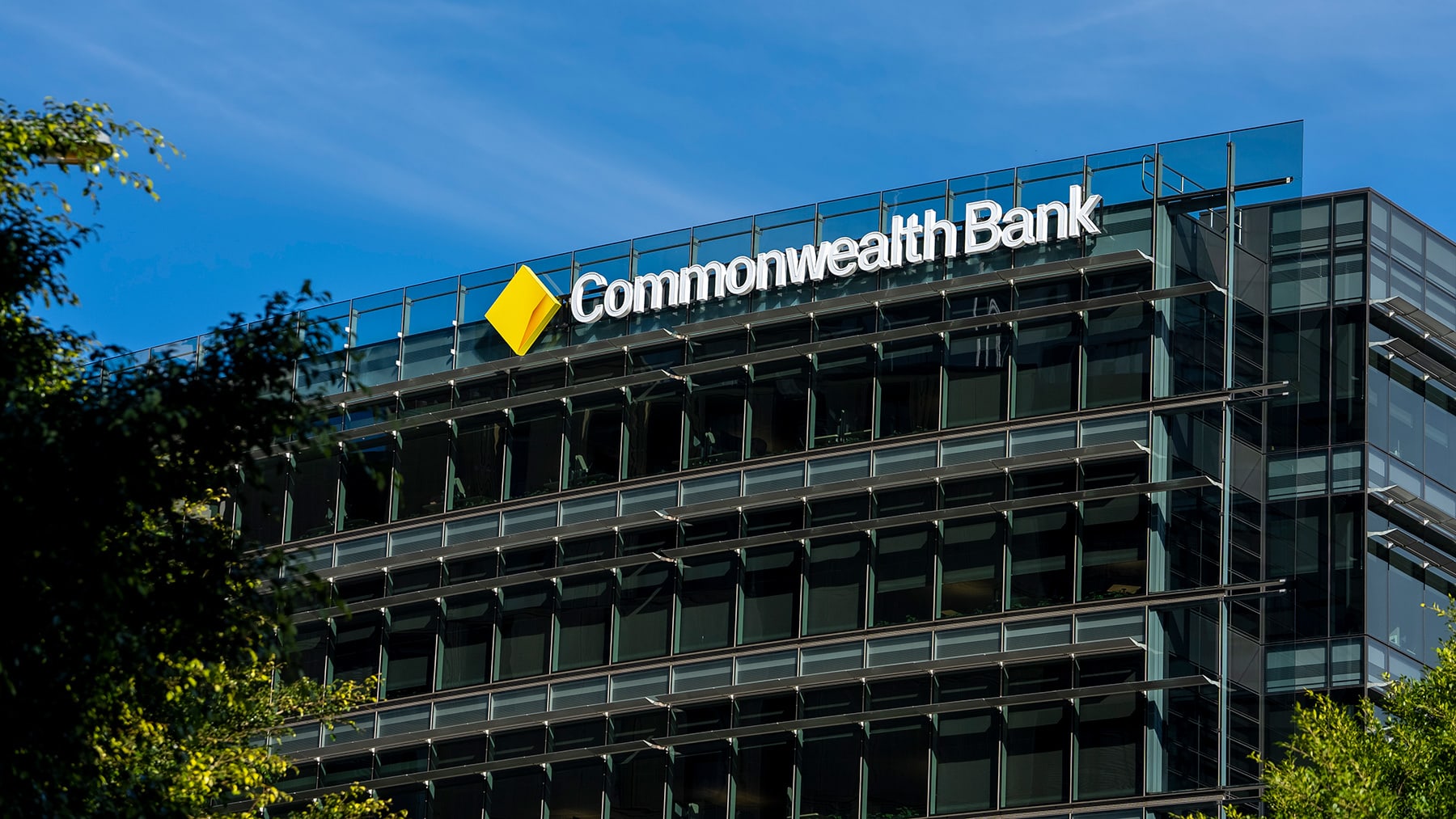
The Commonwealth Bank has captured the attention of nearly one in three Australians (31.7%), positioning itself as the leading choice for those contemplating a switch in banking providers. Following closely are National Australia Bank (NAB) with 22.9% and ANZ at 21.8%, completing the top three banks most likely to attract new customers.
The report underscores CBA's broad appeal, noting that it leads consideration among both men and women across various age demographics. This widespread appeal is a testament to the bank's robust reputation and extensive service offerings.
In a statement accompanying the release, a spokesperson from CBA remarked, “We are delighted to be recognised as the leading choice for prospective customers. Our commitment to innovation and customer service remains at the core of our operations.”
While traditional banks continue to dominate the consideration rankings, the report also highlights the inroads being made by digital-first banks. Revolut, in particular, recorded the strongest year-on-year improvement in consideration, with a notable increase of 3.9 percentage points. Bank of Melbourne and Bank of Queensland also showed significant gains, with increases of 3.4 and 2.5 points, respectively.
A spokesperson for Revolut expressed optimism about the future, stating, “Our focus on providing seamless digital experiences is resonating with customers. We are thrilled to see such positive momentum in the Australian market.”
The report further identifies a young, digitally engaged demographic driving this growth. With 62% of Australians likely to use a financial product or service in the next six months, the majority of these individuals are aged between 25 and 44. Moreover, 61% of this group express interest in holding multiple bank accounts, reflecting a trend towards diversified financial portfolios.
Mobile banking is a significant part of their daily routines, with 34% using a smartphone or tablet for online banking at least once a day, and 35% doing so several times a week. This digital engagement is a crucial factor for banks aiming to capture the attention of this tech-savvy audience.
In terms of customer satisfaction, People First Bank has emerged as the leader, boasting a net satisfaction score of 70.4 among current and former customers. Revolut follows closely with a score of 69.1, while Great Southern Bank rounds out the top three with 67.9.
The Bank of Queensland also made headlines for recording the strongest improvement in customer satisfaction, particularly among younger customers, with a remarkable 16.4-point year-on-year uplift.
A representative from People First Bank commented on their top satisfaction ranking, saying, “Our customer-centric approach is the cornerstone of our success. We are proud to lead the satisfaction rankings and remain committed to delivering exceptional service.”
The Australia Consumer Bank Rankings 2025 draw from YouGov BrandIndex data collected over a year-long period from September 1, 2024, to August 31, 2025. The satisfaction rankings are based on responses from current and former customers, while consideration rankings are derived from those who indicated they are likely to purchase a financial product in the next six months.
These insights are further enriched by consumer profiling data from YouGov Profiles+ Australia, offering a comprehensive view of the financial product intender segment, which comprises respondents likely to use a product or service from a financial services brand in the near future.
As the banking landscape continues to evolve, these rankings provide valuable insights into consumer preferences and the shifting dynamics between traditional banks and digital challengers in Australia.
RELATED ARTICLES

Banking
Banks urged to embrace existing payment technologies over AI hype
In the rapidly evolving landscape of financial technology, the focus has increasingly shifted towards artificial intelligence (AI) as the next frontier for innovation. However, Ian Boyd, General ...Read more

Banking
EMEA banks enjoy profit growth amid revenue challenges in 2025
In a year marked by economic turbulence and geopolitical uncertainties, the largest banks across Europe, the Middle East, and Africa (EMEA) have reported a paradoxical trend: shrinking or stagnant ...Read more

Banking
Australian major banks demonstrate resilience amid economic uncertainty
In the face of economic headwinds, Australia's major banks have reported robust half-year results, showcasing their resilience amid rising uncertainty. According to KPMG’s Australian Major Banks Half ...Read more

Banking
RBA's new ruling on card surcharges sparks debate among businesses and banks
In a significant move aimed at enhancing transparency and fairness in the Australian payments landscape, the Reserve Bank of Australia (RBA) has announced the removal of surcharging on debit, prepaid, ...Read more

Banking
Australian SMBs lose two business weeks annually to late payments, report finds
In a startling revelation, the latest report by GoCardless, a global bank payment company, highlights the crippling impact of late payments on small and medium businesses (SMBs) across AustraliaRead more

Banking
Brighten’s reverse‑mortgage bet: why a niche product could be non‑banks’ next profit engine
Brighten has created a dedicated reverse‑mortgage leadership post, signalling a strategic push into equity release as Australia’s demographic curve tilts older and wealth concentrates in housingRead more

Banking
Why banks are moving at different speeds after the RBA hike — and how to turn timing into advantage
The Reserve Bank’s latest cash rate move has triggered an uneven response from lenders — a pattern that reveals more about funding structures, risk appetites and systems readiness than headline ...Read more

Banking
ANZ’s company-borrower mortgage clampdown: a risk reset with wide spillovers for SMEs, investors and non-banks
ANZ has tightened credit settings for home loans where the borrowing entity is a company — a narrow policy change with broad commercial consequences. It signals a shift in risk appetite across ...Read more
Banking
Banks urged to embrace existing payment technologies over AI hype
In the rapidly evolving landscape of financial technology, the focus has increasingly shifted towards artificial intelligence (AI) as the next frontier for innovation. However, Ian Boyd, General ...Read more
Banking
EMEA banks enjoy profit growth amid revenue challenges in 2025
In a year marked by economic turbulence and geopolitical uncertainties, the largest banks across Europe, the Middle East, and Africa (EMEA) have reported a paradoxical trend: shrinking or stagnant ...Read more
Banking
Australian major banks demonstrate resilience amid economic uncertainty
In the face of economic headwinds, Australia's major banks have reported robust half-year results, showcasing their resilience amid rising uncertainty. According to KPMG’s Australian Major Banks Half ...Read more
Banking
RBA's new ruling on card surcharges sparks debate among businesses and banks
In a significant move aimed at enhancing transparency and fairness in the Australian payments landscape, the Reserve Bank of Australia (RBA) has announced the removal of surcharging on debit, prepaid, ...Read more
Banking
Australian SMBs lose two business weeks annually to late payments, report finds
In a startling revelation, the latest report by GoCardless, a global bank payment company, highlights the crippling impact of late payments on small and medium businesses (SMBs) across AustraliaRead more
Banking
Brighten’s reverse‑mortgage bet: why a niche product could be non‑banks’ next profit engine
Brighten has created a dedicated reverse‑mortgage leadership post, signalling a strategic push into equity release as Australia’s demographic curve tilts older and wealth concentrates in housingRead more
Banking
Why banks are moving at different speeds after the RBA hike — and how to turn timing into advantage
The Reserve Bank’s latest cash rate move has triggered an uneven response from lenders — a pattern that reveals more about funding structures, risk appetites and systems readiness than headline ...Read more
Banking
ANZ’s company-borrower mortgage clampdown: a risk reset with wide spillovers for SMEs, investors and non-banks
ANZ has tightened credit settings for home loans where the borrowing entity is a company — a narrow policy change with broad commercial consequences. It signals a shift in risk appetite across ...Read more


